Said one Cactus to another: “Don’t be such a prickle…”
- Pamela Sonier
- Jan 9
- 34 min read

Updated: Jan 9
Let’s start this blog on a bit of the mysterious, paranormal, and unique side of things with a visit to the Winchester Mystery House in San Jose California. Sarah Winchester was born in New Haven Connecticut. In 1862 at the age of 23 years she married William Winchester, the only son of Oliver Winchester the founder of the company that made the famous rifles and shotguns. Sarah and William had one child, Annie, who tragically died just one month after she was born in 1866. In 1880 both Sarah’s mother and her father-in-law died. And, to add more pain, in 1881 Sarah’s husband William died of tuberculosis. Was there a curse on the Winchester family? Sarah certainly thought so.

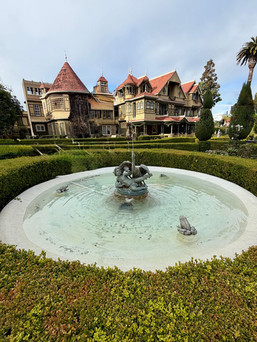


The Winchester Mystery House
After her husband’s death, Sarah inherited $20 million and half ownership of the Winchester company, which made her one of the wealthiest women in the United States. A few years later she left Connecticut and moved to San Jose California where she bought an unfinished farmhouse and began her extensive, lifelong, never-ending, renovations of the house. No one is quite certain as to why she continually changed and added to this house but there are different theories. One theory is that Sarah, being the last one remaining with ties to the Winchester family, was haunted by the spirits of those killed by the Winchester guns. Sarah had visited a psychic in Connecticut who told her in order to evade these malevolent spirits she needed to move out west, buy a home, and build on that home nonstop. She was told that the continuous sound of hammering and sawing would keep these vengeful spirits at bay. Sarah deeply believed that if she stopped renovations she would die. Another theory was, if she built the house like a maze, the spirits would become lost in the many confusing intricacies of the house. Whatever is true or not, Sarah did continue her renovations nonstop every day for 38 years until her death in 1922. She had full time carpenters and tradesmen living on site.


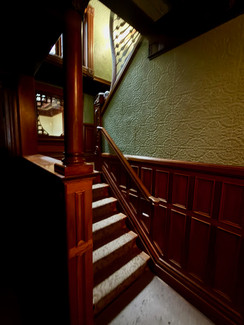




Inside the Winchester Mystery House
This house is beautiful but it is an absolute maze. It spans 24,000 square feet and has 160 rooms 40 of which are bedrooms. It has 10,000 windows, 40 staircases, 47 fireplaces, 2,000 doors, 17 chimneys, 13 bathrooms. Worth mentioning is that the number 13 was Sarah’s favourite number and she used this number throughout the houses many intricacies. For example, many of the sinks have 13 overfilled drain holes (our sinks at home only have one); the ceiling panels in the grand room are in groups of 13; chandeliers which were bought with 12 lights had one extra light added on to make it 13. The house had 6 kitchens, 2 basements, and 3 hydroelectric powered elevators. Interestingly there are no blueprints of the entire house so everything was built and designed on the spot and on a whim.



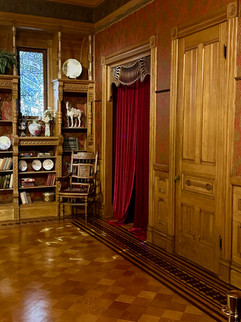

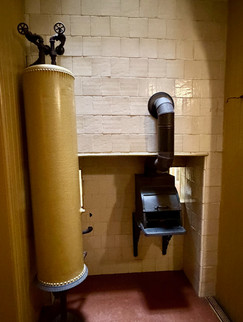


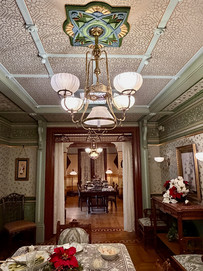






Inside the Winchester Mystery House
The only way for us to visit the inside of the Winchester Mystery House was by reserving an organized tours with a guide - and we know why as we could so easily have gotten lost in there. We walked along many twisting hallways and corridors. We went up and down quite a few staircases that were called low rise because the steps were only about three inches high. These stairs certainly made it easier to walk up and down, especially for bad knees. In some stairwells there are both regular stairs and low rise stairs leading to the same room - we could choose either one and still end up in the same room. The low rise stairs were designed for Sarah. She was tiny at 4 feet 10 inches and she suffered from severe arthritis. The low rise stairs made it easier for her to get around. This house is designed with many confusing architecture details: there are doors that lead to nowhere, cupboards doors that open to blank walls, stairs that lead to ceilings or to nowhere at all, windows that face each other, and even some windows built into the floors. At one point, our tour passed through Sarah’s bed chamber. As we approached, Guy said he could sense a heavy sadness. He could sense that Sarah was perhaps a very sad and depressed person who was tired but had to continue on with her life choices either to keep up her image or else to evade the ghost hauntings. Later on Guy asked our tour guide in which part of the house Sarah’s presence was mostly felt by psychics. She responded “her bedroom”.




Sarah’s Bedroom
Sarah apparently communicated with spirits. She did have a seance room built for this and we were allowed to enter this room. There were 3 doors in the seance room leading to different areas of the house: one door which we entered through, and two other doors that look like closet doors, one of which was a closet and the other wasn’t, this apparently was designed to confuse the spirits. There is a bell tower at the back of the house and each day the bell would ring at noon and 5pm for the servants meals, but it was supposedly also heard at midnight for the start of Sarah’s seances and again at 2 am to announce the end of the seances. It is believed that perhaps the bell was sounded at that time to summon spirits. We find this a bit confusing as she does never ending construction on the house to shoo away unwanted spirits, and yet, at the same time, has a seance room built specifically to communicate with spirits…? A bit contradicting, we think! Apparently, we were told, communicating with spirits in those days was the norm.


The Old Bell Tower
The last part of the tour was a self guided tour through the basements. One of the basement rooms had two doors, but when we looked closely we realized that the door handles could only be used from the outside, so we decided to not enter here. Definitely we did not want these doors to close behind us while inside this room. One room in the basement, we were also told, was used as Sarah’s Wine Cellar; once prohibition started in 1920, she had every bottle of alcohol including her wine collection poured down the drain. The basement tour is popular for tourists because apparently there are quite a few ghost sightings and paranormal activity that happen down there. We did not see or feel anything but it sure was an eerie place to be with dark hallways that seem to lead in the distance to nowhere. Many of the ghost stories center around The Wheelbarrow Ghost - also known as “Clyde". Clyde was a previous caretaker here and it is believed Sarah asked him to stay and tend to the house. Most sightings of him are in the basement pushing a wheelbarrow with coal or ash and tending to the furnace as well as other chores he normally performed during his lifetime here like fixing the many fireplaces. We did not see or feel Clyde while we were down there.


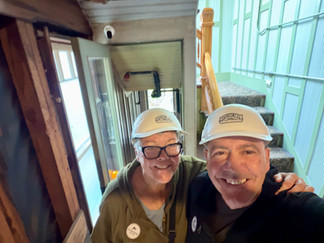









The basements of the Winchester House - they made us wear hard hats as there are some very low beams.


A picture of some of the workers including Clyde
Another interesting bit in Sarah’s house was the many sets of ornate call button plates throughout the house. These electrically operated push buttons were used to call staff and let them know her whereabouts so they knew where to go and attend to her needs. With the complexity and size of this house, these call buttons were a definite need.



Call button plates throughout the house
The 1906 San Francisco earthquake had done significant damage to the house. It collapsed the seven story tower and destroyed one entire wing. Instead of repairing these areas Sarah had them sealed off and they were never worked on again. The upper floors were never rebuilt and the house now stands only four stories high. During our tour we were guided into a part of the damaged wing and were able to see the damage that happened over one hundred years before. Much of the walls plaster had crumbled and parts of the floor was torn open. There are beautiful stained glass window panels that surprisingly survived the devastation. All in all visiting the Winchester Mystery House was a lot of fun. It was an intriguing and a bit spooky experience, and we both thoroughly enjoyed ourselves here.





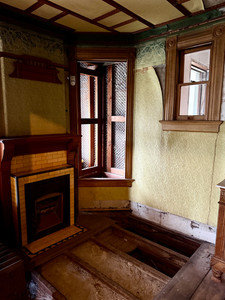
Some of the destruction and the beautiful stained glass panels
As we drove past the San Jose area, we call the fog a bit strange and yet beautiful here. It seemed to weave and hang around us, moving more like smoke than fog. We worked our way down to Monterrey where we found a Veteran campground for the night. As a rule, these campsite are normally fair in price and are also well maintained. As we were just checking in we heard some yelling in the distance. We became a bit concerned and thought maybe “crazy people”, but the park warden assured us not to be alarmed “its just the army guys”. There was an army base right behind the campground, so we certainly felt safer now. Shortly after setting camp we heard a bugle horn, we checked our watches and it was exactly 5:00 pm, dinner time at the Army base, we guessed. This small campsite, situated among the trees, turned out to be, not only safe, but also very beautiful. Throughout the night we were lullabied by the hooting of two owls chatting. The next morning we enjoyed the sound of seals in the distance. We were also visited by two deer that morning. And then, at 7 am sharp the bugle horn sounded again, maybe a breakfast call for the base. We must say this has been a beautiful, fairly quiet, and safe campground.

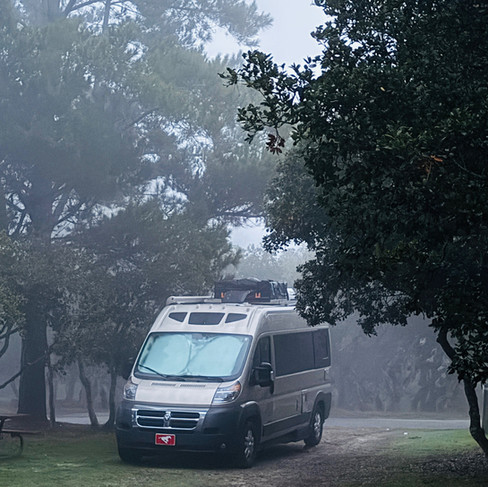





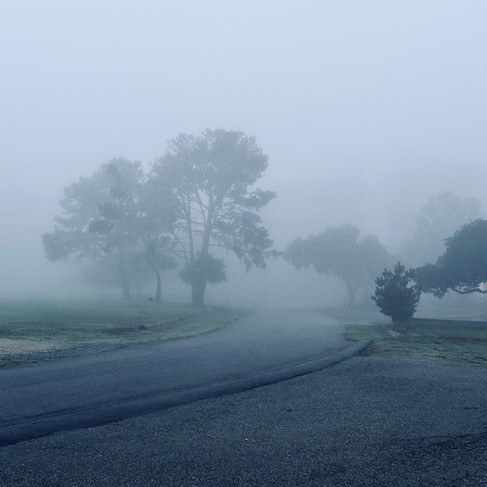
Beautiful Veteran Campground, morning visitor, and mystic fog.
Now, here is something different - a stinky mouse story. For a few days there has been a bit of a funky (nauseating) smell in the Roadtrek. My first thought was that it might be the hitchhiker mouse we had picked up way back when we were in Newfoundland. That mouse had gotten itself caught in a sticky trap and ended up disappearing somewhere behind the walls in the Roadtrek, trap and all, and we have never found it to date. Guy was like, “no, no that’s not possible that mouse would be all dried up and mummified by now”. As it happened, during our last stop in Calgary we had picked up yet another hitchhiker mouse. And this little thing had created quite a bit of havoc and damage in the Roadtrek. It had chewed on my sweater, on my hat, destroyed a few toilet paper rolls, and had left droppings everywhere. After a couple days Guy did manage to catch the little bugger with a trap. After that, Guy, in his infinite wisdom, strategically placed about 10 mouse traps in the Roadtrek which we kept checking every day and there had been no action - thank goodness! So back to the smell, we had to figure this out. It was becoming horrible. After sniffing all nooks and crannies, we decided to remove the large pantry drawer to check behind as this seems to be the area where the smell was coming from. I handed Guy a flashlight, he looked down and said, “Oh there’s a dead mouse in a trap down here”. I said “what trap?” “I had put one down here, in Calgary, but I forgot about it” was his response. The mouse by now was all swelled up and was rotting away. We still don’t know when and where we did pick this one up. Anyways, conclusion to this story is that mouse and trap got disposed of, the area behind the drawer was Frebreezed and Frebreezed again, and now the smell seems to have abated. Guy for his part was proud to have caught yet another mouse. What is even more funny is that our dear Treme, when we take her on walks she constantly sniffs at least a hundred times (bit of an exaggeration). The experts say a dogs nose is 10,000 to 100,000 times more powerful than humans; we had a rotting mouse in our little Roadtrek, the humans can smell it but Treme the sniffing dog did not even sniff around the area where the mouse was - go figure? I seem to think that most dog would have, maybe alerted us…?


What? What are you guys doing?
Big Sur has always been one of those places I associate with California. Unfortunately a portion of the coastal drive down Highway #1 was closed due to a landslide that happened three years ago, and is due to reopen in a couple of weeks. This of course limited how far down we could drive. Luckily we were able to drive down as far as the little town of Big Sur. And even more lucky, a bit further down the road to The Henry Miller Memorial Library, which actually was our original destination. Henry Miller is known to be a controversial author. His books Tropic of Cancer in 1934 and Tropic of Capricorn in 1939 were both part memoir and part fiction, and were censored and banned in the USA mainly due to their sexual content. Miller lived a famously bohemian life in both Paris and later in Big Sur California. I was introduced to his work by Raj so this has always held a special place for me.


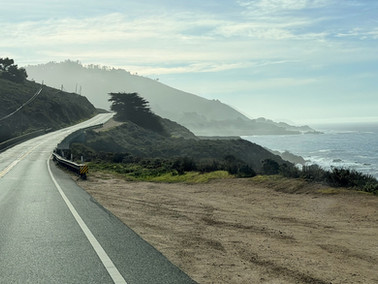





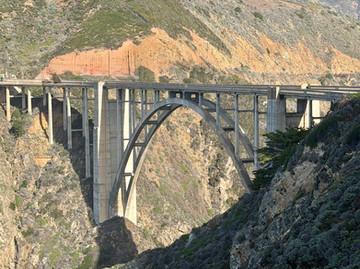
Driving the coast to Big Sur


The Henry Miller Memorial Library
Emil White was a longtime friend of Henry Miller. Henry Miller once stated that Emil was “one of the few friends who has never failed me”. Emil was an artist and painter and when Henry Miller died in 1980, Emil decided to make his property a memorial to his friend Henry. He made his home a gallery where local artists could show their work and in 1981 with the assistance of the Big Sur Land Trust he converted his home into the Henry Miller Memorial Library. Emil died in 1989 and bequeathed the Henry Miller Memorial Library to the Big Sur Land Trust. Emil wrote in his Last Will and Testament, “I am encouraging support and maintenance of said Library, and to promote and enhance the scholarly research and worldwide enjoyment of Henry Miller’s literary and artistic works.” As we got out of the Roadtrek the first words out of Guy’s mouth were “This is just your sort of place”. And truly it was. It felt calm, it felt peaceful, it felt creative. I felt at ease, and I could really just immerse myself enjoying the surrounding nature and art work displayed both on the literature and visual art pieces around us. Once we stepped inside the library, the photos, the letters, the art work, and the many interesting and some familiar book titles was almost overwhelming, but in a very good way. This was not only a special place for me, it was a gift.










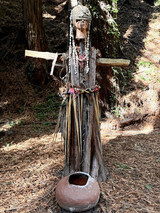


The Henry Miller Memorial Library
The following day we drove a few hours to another of my special destination, the James Dean Memorial Junction. This is the place where back in 1955 the car accident happened which killed the actor James Dean. Apparently, James Dean was racing his car when the head-on accident happened. Now, for us, the James Dean’s era was well before our time, but still both Guy and I grew up hearing about him, seeing his movies, and of course the many iconic movie posters and photos of him, so this was a compelling stop for us. Unfortunately, when we arrived at the accident scene location, there was major highway construction happening on that stretch of road, so the signs and memorial were either gone or covered up so we did not see them. We imagined this is so people like us do not stop on the side of the road and interfere with the ongoing construction. But just down the road we did find and stopped at the informal memorial just off the highway where the accident actually did happen. At this site there were posters, articles of clothing, painted rocks, and flowers left by people. Here we did pay our respect.

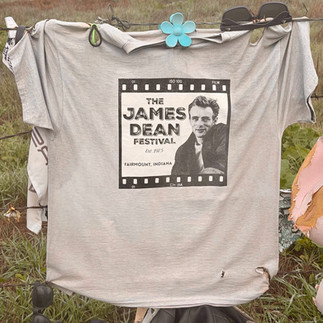




James Dean Informal Memorial Site
A bit further down the highway is Blackwells Corner Store and gas station where James Dean had filled up with gas before heading down the highway to his death. We stopped here for gas but more for the nostalgic then anything else. We must admit though that this is probably our most expensive gas purchased on this whole trip to date - but what the heck it was James Deans last stop. Inside the store there was a Forever Young Diner set up to resemble the 1950’s with murals painted of James Dean, Marilyn Monroe, and Elvis Presley. There’s the East Eden Fudge and Candy Shop, newspaper articles, photos, and some memorabilia about James Dean and the crash as well as his race goggles. Back on September 30, 1955 when the crash happened the original owners of Blackwells Corner Store, Marie and Fritz Elia, came upon the accident site. Marie picked up a hub cap but her husband told her to put it down and then she saw the race googles which she picked up. She hung them on her sun porch and eventually gave them to her daughter. Later it was discovered that these belonged to James Dean and they are now proudly displayed behind protective glass at Blackwells Corner Store.

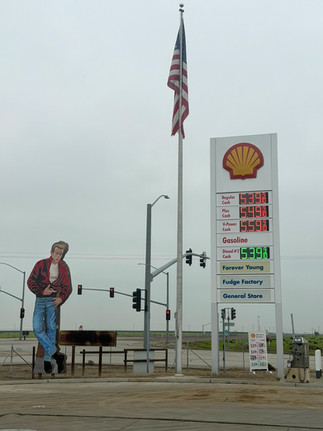


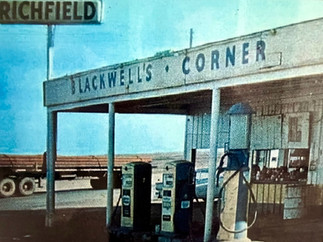



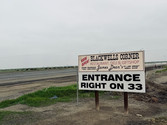





Blackwells Corner Store and Gas Station
Our next stop was Pismo Beach State Park to see the Monarch Butterfly Grove. The weather here was warm and sunny. It was beautiful listening to the crashing waves, the songs of frogs in the night, viewing the sunsets, and enjoy the peaceful morning walks along the beach picking up sand-dollars. Owls woke us up during the night and crows visited us during the day. More so, the crows visited our neighbours’ campsite ravaging through their garbage and marshmallows, lol. And, it was only a short walk from our campsite to the Monarch Butterfly Grove to admire the butterflies. We stayed here a couple of days and enjoyed.


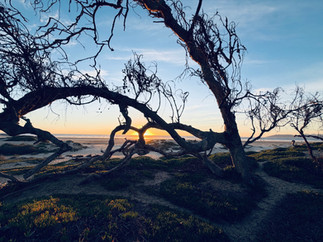


Pismo Beach
Every year thousands of Western Monarch Butterflies migrate down from the northern states west of the Rocky Mountains over 1,000 miles to the coast of California to reach their winter home at Pismo Beach. The Pismo Beach Monarch Butterfly Grove is the largest site for the Western Monarch Butterfly population. These butterflies return to the same grove each year. What makes their migration so amazing is that these butterflies only live 6 weeks and none of the departing butterflies make the return migration flight. Because of their short life-cycle each migration is made by Monarchs three or four generations apart. How do they possibly know how to reach this destination? Sadly for us there wasn’t as many butterflies as we had hoped to see. We were told that this year it is still too warm for the butterflies to return directly to the grove. Another one of Mother Nature’s twist, it seems. This trip has been a bit of a challenge at times for us, we seem to be either be too early or too late or its too hot or its too cold when it comes to Mother Nature we know who is in control, especially with wildlife viewing, etc. We have come to terms with this though, so we now hold on to and content ourselves with these moments as they are, some big and some small however they come. Still we did see a few of the Monarch butterflies flying around us and a few clustered up near the top of some of the trees. It was hard to see them at first, if they didn’t open up their wings, they looked just like dead leaves on the trees. But with a closer look we began to see brilliant colours fluttering. The butterflies, we found out, hang upside down from the branches and each butterfly's wing is down over the one below for protection.


As much as we carefully plan our next moves, trying to keep these directions as efficient as we can, oftentimes things do happen differently and we change to plan B. After having talked with a travelling couple, we discovered we had just missed the largest Elephant Seal Rookery near San Simeon where we had just been. From Pismo Beach, where we were, it was only about a one hour backtracking drive north, in the exact opposite direction to our plans. We decided we could not miss this rare and amazing opportunity; we knew we would probably never get that chance again. If there is one thing we have learnt being on the road for almost 2 years, it is that we must take the opportunity when and as it presents itself, stop for those few extra minutes, enjoy the views, adapt as needed, have the laughs, and always always have fun. Life on the road affords us these abilities to changes and luckily gives us a vast amount of time to do it. We really are in no hurry. After all, what’s an 80 kms detour in a 90,000 kms adventure. So we got up early the next morning, all excited, and headed back north along the #1 highway to enjoy these magnificent creatures.

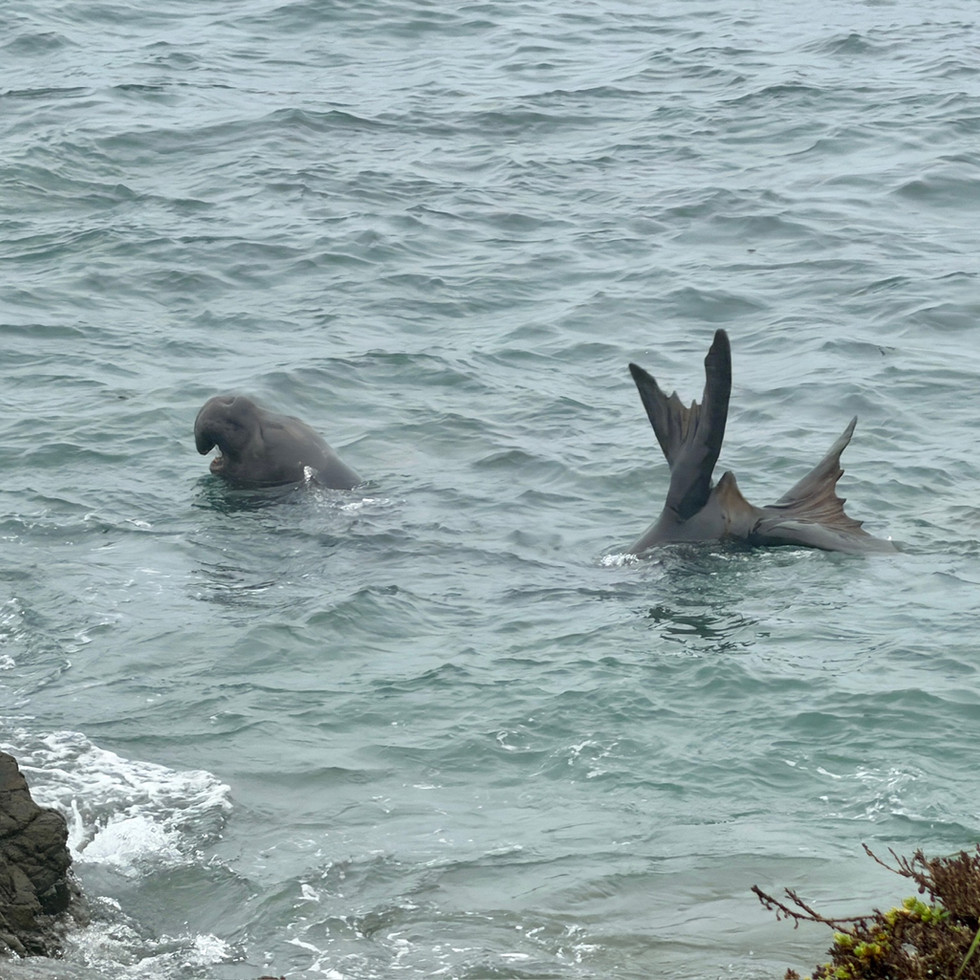
Elephant Seal frolicking in the ocean
And now for seals, elephant seals, and more seals. We had just arrived at The Piedras Blancas Rookery Elephant Seal, opened the doors, and already we could hear grunting and snorting in the water. Mother Nature though, played with us again and had decided to turn the weather to rain and fog. But that’s okay, we do have good rain gear. The seals, for their part, do not seem to mind this weather at all. They apparently love it much more than the hot sun. On site there is a large boardwalk viewing area from where we could see the seals lounging on the beach and swimming in the ocean merely feet away from us. There were four momma seals with babies nursing right there in front of us - what a gift it is to experience that. The seagulls, scavengers that they are, hung around the new babies to feed on the afterbirth. These babies could only have been born days ago. One, we were told, was born only the day before. At birth the pups weigh about 70 pounds and are 3 to 4 feet long. After birth, the mothers nurse her baby for about one month and then leave so she can go breed again. They will mate again and then head to sea to feed. They will return to the rookery the following winter pregnant and repeat this same cycle of life over. The pups, for their part, stay on the beach where they learn to swim and dive on their own - basically they learn how to be elephant seals. After about 2 to 3 months they instinctively head to sea and at a later time return back to the same beaches where they were born.


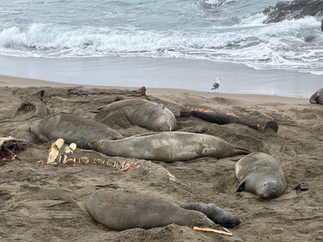





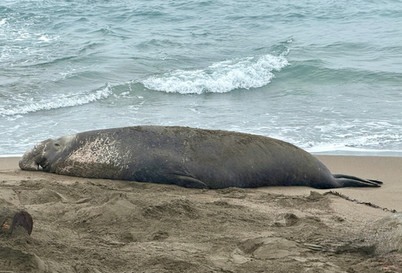


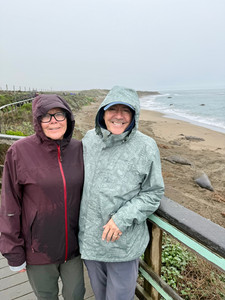
Elephant Seals
Elephant seals are huge! The females are between 9 to 12 feet long and weigh between 900 to 1,800 pounds. The males can be between 14 to 16 feet and weigh up to 5,000 pounds. Watching them on the beach, some barely move at all or have the slightest movements like little scratches, flipper claps, or rolling over and snorting. Basically they spend an exceptional amount of time sleeping. We were there for about two hours and one of the females laid on her back and never moved for the entire time. I said if Treme was any other kind of animal she would be an Elephant Seal with long legs. We were just about to leave when we witnessed what we called a National Geographic moment. Two male elephant seals started fighting for beach territory. They charged and rammed into each other. They reared up their heads and we could hear as they hit each other. We could see and feel the power of these two magnificent animals. Eventually a winner emerged and the other male reluctantly retreated back into the ocean and swam away.





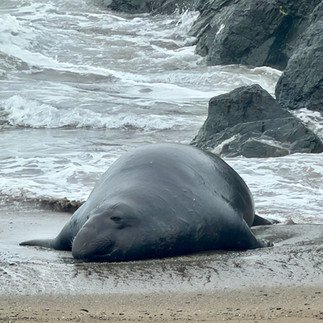
That National Geographic Moment
We did another and last California seal stop at Carpinteria Beach. Here we saw Harbour Seals. There were only few to be seen. They were lounging on the rocks below and swimming around in the ocean. Unlike the Elephant Seal who lounges lazily on sandy beaches, Harbour Seals prefer the protection of the rocks. They climb the rocks ledges where they can lay safely out of the water out of sight of predators. We spent the night here at the Carpinteria Started Beach campground only a short walk away from the seal viewing. The following morning we went for an early walk along the bluffs and saw not only pelicans galore, but we also saw a school of dolphins as they slowly swam their way down the coastline, probably seeking breakfast.


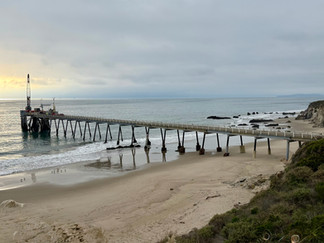



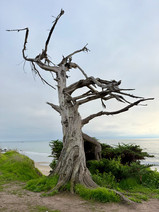


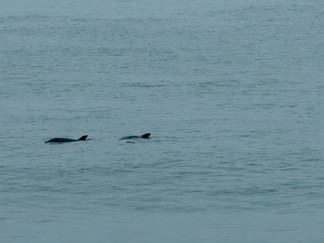


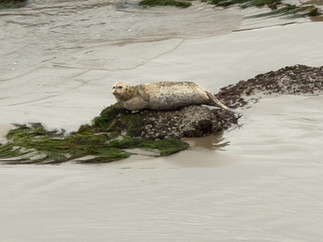
Carpinteria Beach
After about one month driving along the California coast, it was time to head inland down highway 101 to a KOA campground near Joshua Tree/Palm Springs area to spend Christmas. As there was a nasty storm brewing in the air, we took the freeway trying to get away the quickest and most direct way possible. On a personal note here: not to be judgemental or point the finger, but California drivers are, to say the least, “different”. On this trip we have experienced many drivers in many states but we swear we have never seen the likes of California drivers. We’ve not seen so many distracted drivers on their phones while driving. Or, zigzagging and swerving in lanes, not bothering to signal turns, or signalling with no intention of turning just forgetting to turn the indicator light off, speeding or slowing down unnecessarily, just craziness! Thank goodness Guy is a safe and defensive driver. I did close my eyes a few times which I do not often do. Also, I swear there must be an imprint of my right foot on the floor in front of my seat.
The Palm Springs / Joshua tree KOA campground is surrounded by mountains. It is quite exotic with an abundance of aloe plants, cacti, and palm trees all around us. The most beautiful part was that it was Christmas and there was no snow to be seen. It was actually warm enough that we could sit outside for an entire day. As previously said, one reason for driving inland was to escape the atmospheric river storm supposedly on its way toward the California coast and some flooding was expected. As per the weather forecast, where we were in Palm Springs was just on the outer edge of the storm. We may get rain. Sitting outside the Roadtrek we could see the clouds slowly covering and hiding the mountains around us. As the rain began we mentally braced ourselves not knowing what was coming. Well we did get the rain and it poured for a whole day. The ground in the campsite was so dry and hard packed that it could not absorb the rain fast enough. Stubbornly we sat outside under the awning until a small river of water came flowing and flooding our space. We sat literally in a puddle of water. Luckily, for us, we were just on the edge of that atmospheric river. But unfortunately, for the coastal region of California, they got major flooding, washouts, and landslides. We had crossed over the mountains just in time.













An exotic feeling, celebrating Christmas at the KOA campground
After having just avoided an atmospheric river deluge, we headed further east toward the town of Joshua Tree to see some of its quirky stops. This little town is quite an eclectic and unique place in its own way. It is full of vintage shops and odd statues. And of course this is where we visited the famous Beauty Bubble Salon & Museum. Luckily for us the owner and creator of the salon and museum, Jeff Hafler, was there to welcome us. We had such an enjoyable and interesting chat with him. During the week he operates the place as a regular hair salon for cuts and styles and more, but on Saturdays he does not do any of that, because it is too busy with the numerous tourists who come here to check out his bizarre collection of odd “hair care paraphernalia.” He told us he started his collection when he was 18 years old and he is 53. So you can just imagine the amount of stuff here. There are vintage beauty tools, old style hairdryers on the walls, combs, Barbies, an array of posters, sculptures of heads displayed with hair accessories that Jeff has created himself, old style barber chairs, and an odd octopus-looking perm machines from the 1940s. There are four small rooms to wander through, the place is small but it is large in its playful and whimsical atmosphere. There was even a Christmas tree decorated with colourful hair curlers.

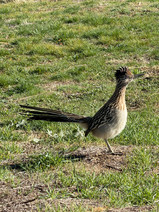

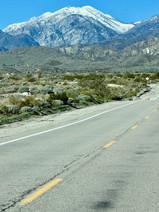





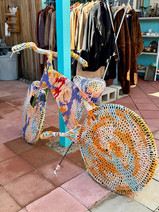



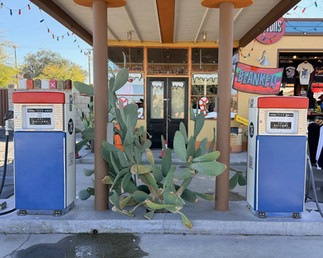
The eclectic town of Joshua Tree


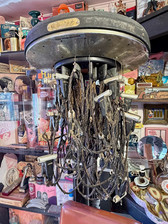

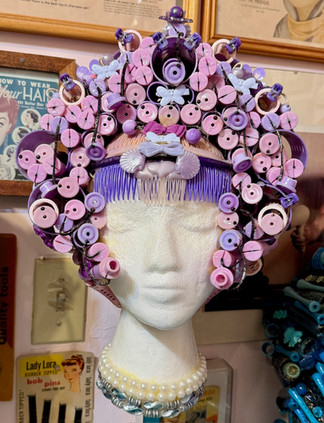









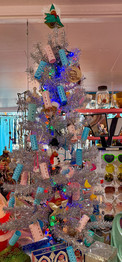

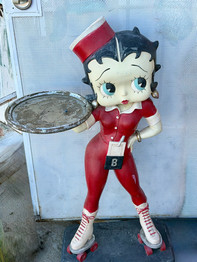



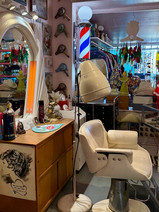

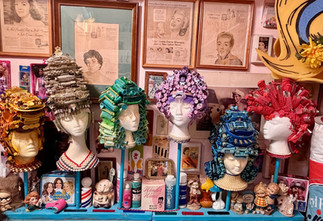


Beauty Bubble Salon & Museum
Next, just around the corner from the Salon is the World Famous Crochet Museum. This is a old photo-processing booth that Shari Elf changed into the museum for her crochet obsession. Shari started collecting crochet items in the early 1990s. This museum is very small, so small in fact that only one person can fit inside at a time. But it is full of so many interesting crochet items. There are crochet bears, turtles, unicorns, Santas, clowns and even aliens.









The World Famous Crochet Museum
From the downtown we traveled to a sandy hill, up a not so well maintained dirt road, to reach the Campbell Wind Phone. This phone was set up in the middle of nowhere, in a field, by a couple in memory of their two children who were killed in a car accident. At the site there was a manmade phone booth with a desk and a old rotary phone (not connected to any landline). There was a chair to sit on where anyone could comfortably make a call from. Anyone is welcomed to use the phone to talk to loved ones who have passed. The belief is that the conversation is then “carried up” into the heavens via the wind. True or not I did call my mom.


The Campbell Wind Phone
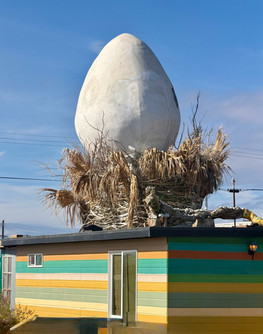
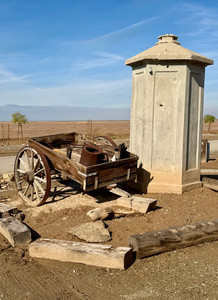
Our last stop that day was The Noah Purifoy Desert Art Museum which is a collection of Noah’s sculptures that he created on this site between 1989 and 2004. Noah Purifoy was an American artist and sculptor born in Alabama in 1917. In 1956, he became the first African American to graduate with a BFA from the Chouinard Art Institute which is now called CalArts. In August 1965 there was a major uprising in the Watts neighbourhood of Los Angeles that started because of the arrest of a black motorist named Marquette Frye. This became a pivotal moment in the Civil Rights era. These riots ended after 6 days with 34 dead, 1000 injured, over 4000 arrested, and $40 million in damages. It became known as the Watts Rebellion. Noah lived in Los Angeles during this time and had close connections to the Watts neighbourhood. He collected three tons of burnt debris and wreckage from the streets after the riots and used it to create his exhibit “66 Signs of Neon”. This exhibit made him famous in the assemblage art movement both locally and internationally. After living mainly in Los Angeles he moved to the Mojave Desert near Joshua Tree in 1989. Over the last 15 years of his life, he created the 10-acre site containing over 100 large-scale sculptures made from things like tires, bowling balls, toilets, old appliances and pieces of wood and metal. I know this kind of art is not Guy’s “cup of tea” but he came along anyways and seemed to enjoy some of the displays.


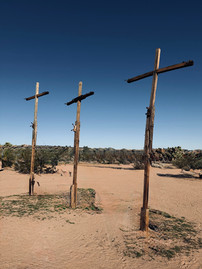



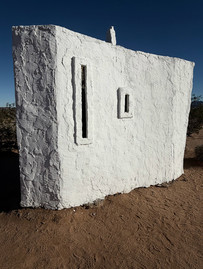





The Noah Purifoy Desert Art Museum
From there we drove to the Joshua Tree National Park where we camped for a few days to explore the park. Where we stayed in the park is higher up in the mountains and during the daytime with the sun shining the temperature is warm, almost hot, but the minute the sun sets over the hills, the cold night begins. And cold it was. It got down to freezing. We wore our winter jackets, hats, and mitts. Poor Guy was actually wearing three layers of clothes to bed at night to stay warm. In the mornings we saw ice formed on the water puddles. It does seem that this cold weather relentlessly continues to follow us as we keep pushing forward seeking warmer climates.


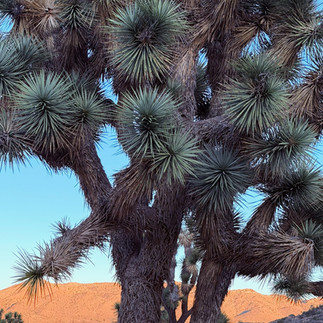
Black Rock Campground
The landscape in the Joshua Tree Park is surreal with its desert terrain, unending species of cacti, scattering of Joshua trees, and unique boulders everywhere. All shapes and sizes of boulders that seem to tumble and dance surround us. There are artful boulders that create faces, hands, and eyes who seemed to melt into and around each other - almost like a boulder dance crumbling upon each other forming mountains. It is interesting to read about where all these boulders come from. Basically they are the remnants of eroded mountains where the dirt has eroded away and only the fallen rocks stacked upon each other remain. While some rocks lay in a neat stacked configuration, others seem to have just crumbled on top of each other where ever they landed. There are over 8,000 climbing routes in this park and many people come here from everywhere to participate in bouldering and rock climbing. We have learnt that bouldering is quite different from rock climbing. With bouldering the climbing is short on low walls without ropes. And because they don’t climb high, as a rule, they use crash pads on the ground for falls. Also with bouldering the emphasis is on power and technique. Whereas with rock climbing they scale tall cliffs or walls with ropes, harnesses, and more technical equipment and the emphasis is more on endurance and long-term strategy - and of course also a whole lot of technique. Either way we certainly did not attempt any of it, but we did see many people doing both. And I do have to say here that Guy did climb one boulder (rock) and said “Oh, I felt my knee”.


















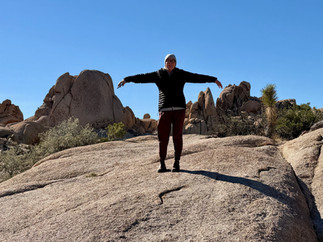


Joshua Tree National Park
We did a few small hikes and wandered about in the landscape. Unfortunately because the park rules are very strict with no dogs on trails, Treme could not come with us. As a result we had to keep our walks short as we could not leave her too long unattended in the Roadtrek, it did get quite hot during the day. One of our funny story is about a rock formation called the Hall of Horrors. This hike is described as a popular, relatively easy hike, not for the claustrophobic. It features a narrow slot canyon that we could squeeze and hike through. Well we could not find this thing. And as it seemed, after chatting with other people, no one else seemed to be able to find it either. There were people everywhere climbing up and down all over the rocks in search of this famed tunnel entrance. As we were chatting with a guy, who was also unable to find the entrance, three young guys approached us and said “we think we found it, it’s just around the corner”. Well without even a second thought Guy and I followed them to a hidden opening into a crevice. We scrambled around over and under large boulders and finally we came to this beautiful chamber formed by giant fallen boulders everywhere. This chamber did not resemble at all what is shown on the website. But still is was beautiful to stand within and under millions of year old rocks formations. These three guys were from Irving California maybe early 20’s so they were a bit more fit and agile than we were. Guy and I were busy taking pictures and admiring the beauty surrounding us and these guys had already started to head out. All of a sudden I hear them say “follow the voices we are not leaving until you two are safely out”. Now they could have been bad guys who could have robbed and mugged us but no, they were polite and kind. LOL. After coming out we parted from the young men who said they would climb up in the rocks and continue searching for the real opening. We decided on the easy way and walked along a nice level path around the rocks, but what beauty. Just another day in our world of travels.


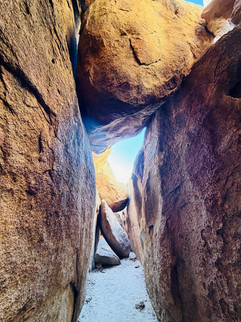


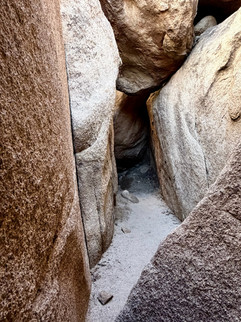





Climbing among boulders and crevices
The Joshua Tree National Park has many unique features. The first being its namesake The Joshua Tree which actually isn’t a tree at all, it is a succulent and is part of the agave/asparagus family. It lacks growth rings and true wood so botanically it cannot be a tree. But its tree-like form, large size, and woody fibres make it function and look like a tree in the desert. Mormon settlers in the mid-1800s thought its unique, spiky, and outstretched branches looked like the biblical figure Joshua with his arms raised in prayer, guiding them through the Mojave Desert to the promised land, and so they named it The Joshua Tree. There are two deserts here, the Mojave and the Colorado Deserts. We enjoyed the varying landscape of valleys, rocks, cacti, and Joshua trees as we drove through the park north to south from the town of Joshua Tree. Along the way we did a stop at The Cholla Cactus Garden which has thousands of Teddy Bear Cholla cacti that look all soft and fuzzy because of their silvery spines. But there is nothing soft and fluffy about these, their needles are very sharp and very painful to the touch. We restrained from touching as there were signs warning us not to do so. Walking between these felt like walking through a magical garden. This spot is very popular for tourists, there were lots of people visiting at the same time we were there.

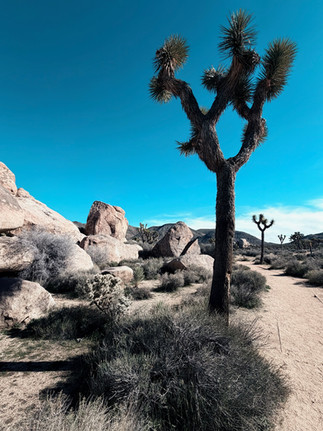


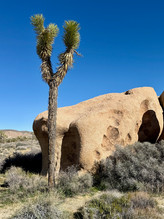


Joshua Trees everywhere

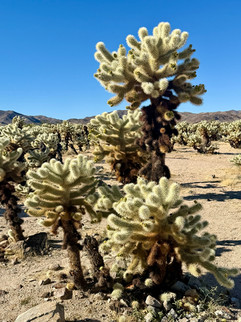






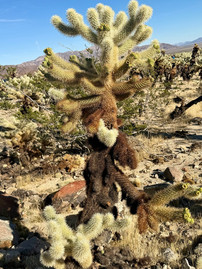



The Cholla Cactus Garden
Another interesting thing here is the desert tortoise. Unfortunately we did not get the opportunity to see them as sightings are rare, but there are caution signs everywhere to look out for them on the road and what to do if you come upon one. What is so unique about them is they can go an entire year without water. We were warned that if we came upon one, we were not to startle it as they pee when startled. Because they have so little fluids in their body peeing can cause them to dehydrate and die.
The Samuelson Rocks trail was one I really wanted to do because of the weird story behind it. But as previously mentioned no dogs are allowed on the trails in the park and this is a long trail at 16 km roundtrip. Also part of the trail is “unofficial” so there is the fear of getting lost in the desert. This story intrigued me so much though I just couldn’t let it go. John Samuelson was a homesteader and prospector from Sweden. Author Erle Stanley Gardner met Samuelson in the late 1920’s and after hearing his life story, which he thought was not true, bought the rights to his story and published it in a magazine. The story goes that Samuelson was once a sailor who was shipwrecked on a strange island off the coast of Africa. He was kidnapped and held captive by a tribe of natives that spoke to monkeys. Samuelson supposedly found a bunch of gold that was guarded by intelligent killer ants and he made a tribal chief’s daughter fall in love with him while he was there. Somehow he got into trouble with the tribes elders so they forced him to eat the “bread of forgetting” which almost wiped out his memory and caused him to become sick with a sleeping sickness whenever it rained. Eventually Samuelson ended up in the desert in California due to the lack of rain there living with his wife. Four a few years he spent his free time recording his thoughts on several large rocks around his home. Some of the inscriptions include; "Nature is God", "Wake up, you tax and bond slaves", and the "Rock of Faiht and Truht" (that is how he spelt it). In 1928 he wanted to buy the property that his wife and he were living on but his homestead claim was rejected because he wasn’t an American Citizen. He became frustrated and angry so he packed up and moved to Los Angles. While in LA, he got in a fight with two men at a dance hall and ended up killing them but instead of going to jail he was declared insane and sent to an asylum from which he escaped in 1946 and relocated to Oregon and/or Washington where he worked as a logger. Is the story real or fantasy we will never know as he was killed in a logging accident in 1954. End of story?
We have decided to ring in the New Year in a campground at the Salton Sea. The Salton Sea was formed in 1905 when the Colorado River flooded and breached an irrigation canal. It became and still is California largest lake. Tourists started visiting in the 1920s but it really became a popular tourist and celebrity desert oasis in the 1950’s and 1960’s. This sea is landlocked so there is no inlet or outlet. As the water evaporates it becomes more and more salty, this is due primarily to the natural salt deposit in the ground but also to the fertilizers and pesticides from agricultural runoff in the area. The sea is shrinking due to evaporation but mostly because of water right changes and the demand for water in Southern California - making the survival of the Salton Sea challenging. The Salton Sea is now almost 50% more saltier than the ocean.
As we drove towards the Salton Sea the scenery almost looks as if it had been snowing. The ground was covered with patches of white, but of course it wasn’t snow, it was salt patches. Our campsite for the next few days was simple, more or less just a parking lot with electrical and water hookups. But we did make the best of it. There were huge palm trees called California Fan Palms. There were easy walks with many signs warning us of rattlesnakes. And, to top it all, the lady in the Information Center told me there were tarantulas as well. “Look for holes in the ground”, she said. The whole Salton Sea area has a stinky sulphur smell in the air which we found out comes from a gas that is called hydrogen sulfide (H2S). This gas is released as the natural decomposition of the organic matter, algae, and dead fish decay in the sea. As the sea gets shallower it allows the smell to mix and spread more easily. Adding to the smell, there was a railroad track only a few hundreds feet away with trains that passed almost every half hour during the day, at night not so much. But we did become accustomed to both the smell and the train waking us up in the middle of the night. All in all it was a very good spot for a much needed break. We enjoyed our time and we did celebrate the New Year 2026 here with a few glasses of wine cheers.

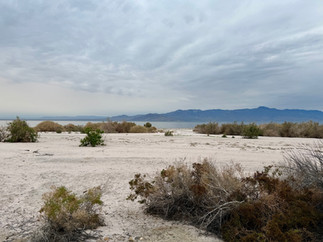



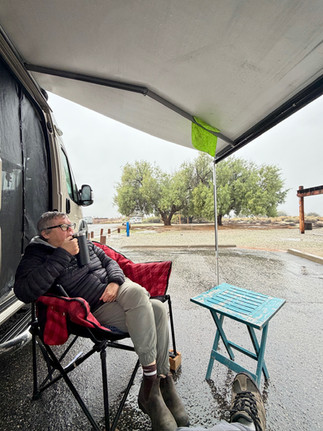



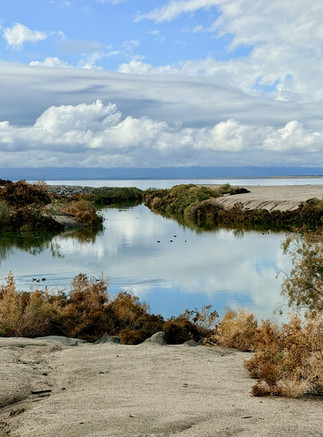


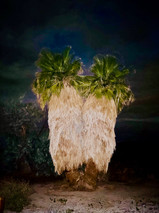


The Salton Sea, and a Happy New Year
Our second stop on the shore of the Salton Sea is Bombay Beach. There is a sign as we enter announcing that Bombay Beach is America’s Lithium Lowest Point (not sure what that means). Bombay Beach is described as a unique “living Ghost Town”. This was once a popular resort destinations in the 1950s and 1960s for celebrities like Frank Sinatra and the Beach Boys, to name only a few. Today, around 230 people live here, and the place has become a real Art Hub. There are interesting galleries, cafes, art displays, and all sorts of house designs here. Almost every house has some kind of art deco in the yard or on the roof. The first quirky place we visited was the Bombay Beach Drive-in, a drive-in set up with a bunch of old rusty cars parked in perfect rows facing a movie screen, with even theatre seating in the front row - interesting setup for a backyard. Next was the Bombay Beach TVs display which was stacks of old TVs with each screen a separate piece of art. Afterwaed we went to the beach where we were warned not to walk with bare feet or open toed shoes as there are lots of metal and shards of glass everywhere. The beach turned out to be muddy and messy due to a recent rainfall. It was hard to believe that just a few years ago where we were now walking along was the bottom of the Salton Sea. The sea had actually receded that much. There were many different art installations scattered along the beach, some interesting some not so much. There were tourists, “hippies”, and local artists seemingly aimlessly wandering around like we were. One installation we were looking forward to see was the famous “Bombay Beach Swing”. We had seen beautiful photos of this swing on the beach standing in water. Today, the swing stands dilapidated in a mucky part of the beach completely out of the water. This place was definitely unique and interesting to.

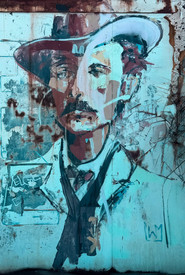






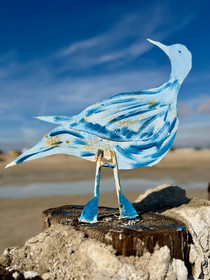
The arts of Bombay Beach

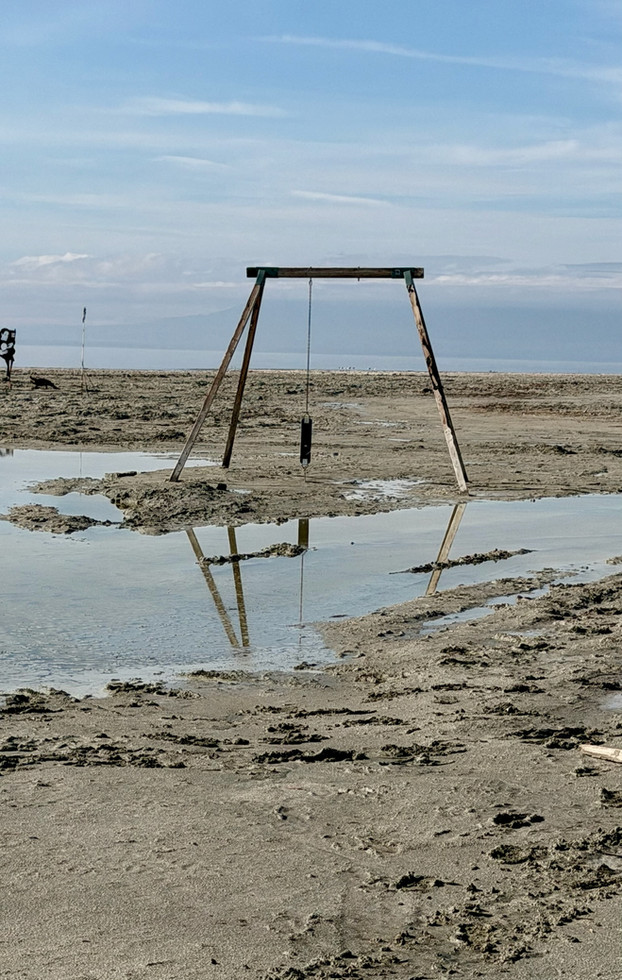
The famous and iconic swing of Bombay Beach

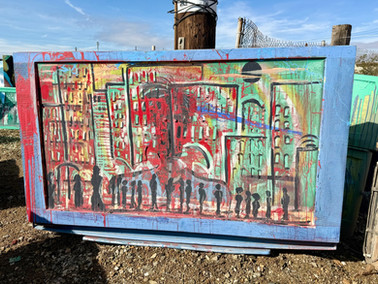



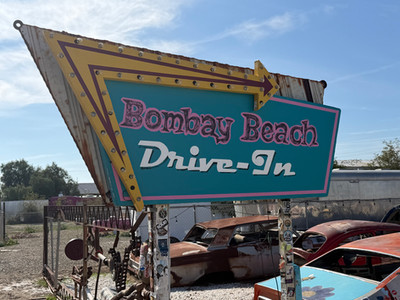
Bombay TV art and Drive-In theatre

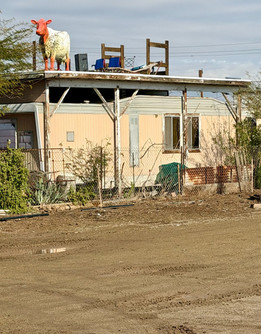





Bombay Beach
Another very unusual place we visited was Slab City just outside Niland California. Some call this place “the last lawless place in America”. Here there are no taxes, no official laws, no police or government services. Slab City used to be Camp Dunlap a WWII Marine training base that closed in the 1950’s. After the military left, all that was left were the concrete slabs. Squatters, drifters, veterans, and eventually RV owners looking for free camping and tax evasion began settling on these concrete slabs. Around 100 to 150 people live here today year round and are referred to as “Slabbers”. Another 4,000 people come here during the winter months to escape the cold. It is an informal community with limited access to electricity, fresh water, or sewage. The residents share one communal shower which comes from a concrete tank fed by a hot spring a few miles away. There is apparently a library, golf course, sculpture garden, two music venues, social clubs, and over a dozen individual neighbourhoods each with its own varying of rules and culture; some of which we were told it was not safe to wander in. Most people here are snowbirds, artists, retirees, and people looking for an alternative lifestyle. People live in an array of different types of homes from tents, RVs, buses, tarps, buildings put together from different materials found on site, or abandoned structures. We drove around a bit but there were no such thing as defined roads so it was an interesting drive. Luckily there were some hand made signage for direction.





Slab City
East Jesus is a safer part of Slab City. It is an outdoor art museum that was started back in 2006. There are cars that have been decorated with dolls and beads, there are sculptures, paintings, and structures, some of which we were not sure what the art form actually represented. We had an interesting walk around and the art displays just continued and continued. Jokingly, the man at the entrance told us to “please touch” the displays. If the display broke when we touched it, we were not to blame, rather they would blame the artist for creating so fragile an art piece.






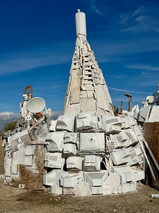

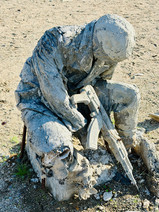


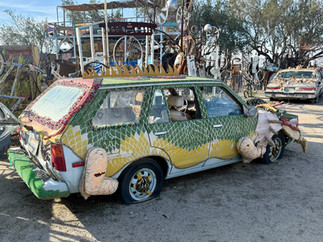

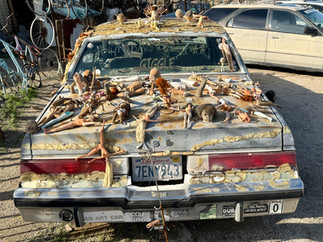





East Jesus
Now one of the most famous and popular artists and “slabber” from Slab City was Leonard Knight the creator of Salvation Mountain. Leonard was on a spiritual mission to spread the word of God. His mountain, meant to be a sort of pilgrimage, stands near the entrance to Slab City. Leonard lived out of his truck here and started construction of his first mountain in 1984 using sand and concrete but it collapsed due to unstable construction in 1989. He said “I guess God wanted me to do it different” and differently he did. His second mountain, which is still standing today, he began creating in 1989 and worked on it for over 25 years. This time he had used more durable materials like adobe clay, hay bales, and other materials that were either donated or he salvaged himself. The mountain is 150 feet wide by 50 feet tall. He used over 100,000 gallons of paint applying it generously to help protect the mountain from the desert elements. There is a folk art style to it with bright flowers, birds, and other objects along with a yellow brick road, waterfalls, positives messages and bible scriptures. Originally Leonard had wanted to build a hot air balloon that he had painted with messages of God’s love to spread the message but the balloon failed to launch and so Salvation Mountain was created. Leonard continued working on his mountain until bad health forced him to move to a nursing home in 2011. He passed away in 2014.

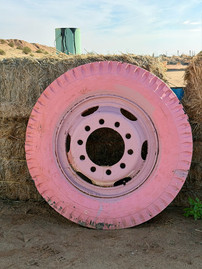

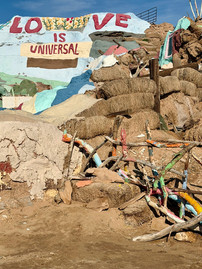




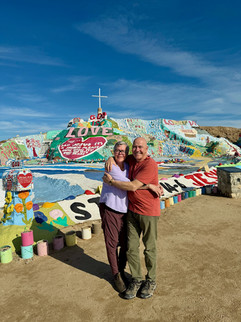

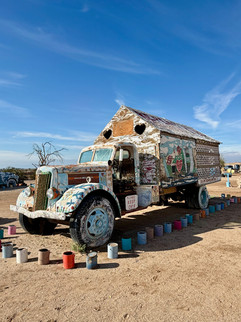

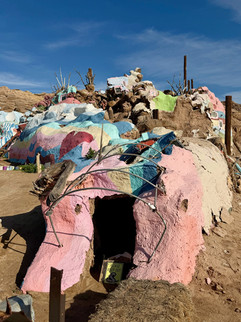


Salvation Mountian by Leonard Knight
In 1994 the county wanted to tear down Salvation Mountain and to start collecting payments from the residents of Slab City as they were planning on building a campground nearby. The county felt concerned about there being a "religious monument" at the entrance to a public campground. To justify the demolition, the county hired a toxic waste specialist who declared the site a "toxic nightmare" claiming high levels of lead in the soil from the donated paint used in the building of the mountain. The plans for demolition was eventually stopped as Leonard Knight and his supporters collected hundreds of signatures on petitions and submitted independent soil tests that showed no significant toxic contaminants. In 2000 Salvation Mountain was recognized as a "National Folk Art Site" and in 2002 as a "National Treasure".

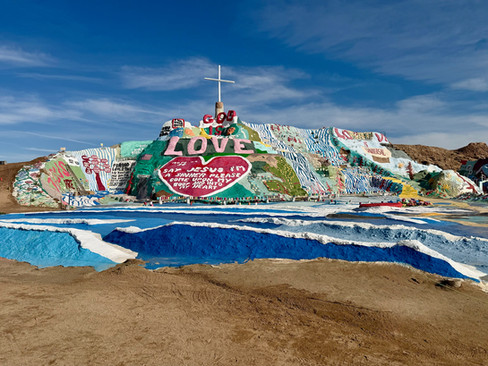

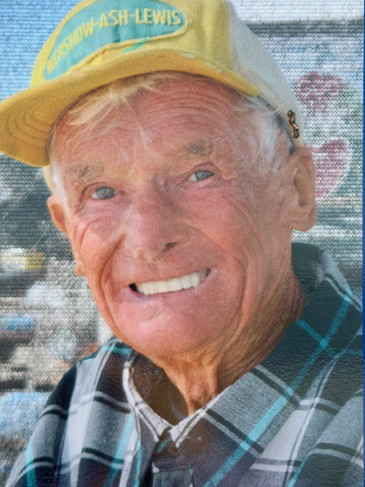
Salvation Mountain and Leonard Knight
Our last stop to explore in California was the Galleta Meadows Estate in Borrego Springs. There are about 130 large scale metal sculptures displayed throughout the desert fields here. Dennis Avery was a philanthropist and land owner in Borrego Springs. He wanted to add free standing art to the property he had bought for conservation. He envisioned an open art gallery that would blend into the desert landscape that the public could have access to and admire. He commissioned artist and welder Ricardo Breceda to create these sculptures. The sculptures include, wild horses, turtles, camels, birds, snakes, elephants, prehistoric and mythical creatures, and a 350 foot serpent crossing under the road. The serpent sculpture took Ricardo three months to design and three months to install. Over all it took just over 4 years to create and install these sculptures, and they are stunning. The area is massive over 2,000 acres and again no defined roads. We really needed a 4WD; we only managed to drive Roadie as far as we felt safe and walked as much as we could for the remaining. From up close the details on some of these sculptures are amazing. We could actually see the outlines of blood vessels on the horses muscles, eyelashes on the camels, and feathers on the birds. We enjoyed every minute of this.


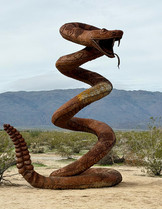










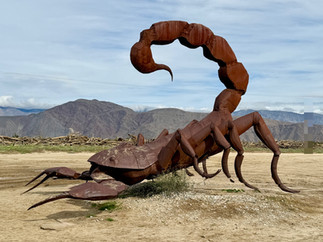




Galleta Meadows Estate Sculptures
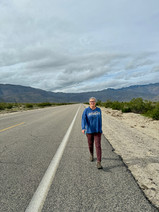
Here is where blog # 19 comes to an end. California, to our surprise is not only a very scenic state, it also has an amazing amount of diversity in its landscape. We spent 6 weeks here and we were rewarded from rocky seashores with an abundance of wildlife, to contrasting dry and arid deserts where few animals survive, to high mountainous terrain in between. For all this we are thankful. For our last few days here we’ve been staying in a designated boondocking field near the Anza Borrego Desert State Park. The site is situated way out in the sandy desert on part of Dennis Avery’s conservation property. Each RV here is separated by at least 300 feet from the next neighbour - so lots of privacy, peace, and quietness. From where we sit we are within sight of some of the Galleta Meadows Estate animal sculptures - we can see horse sculptures in the distance. This place is beautiful. It is remote, very quiet, wild, and amazing. At dusk with the sun setting we watch as the desert sky dances around us fluidly changing its colours while colourfully painting the ground and the surrounding mountains. This desert environment is a contradicting thing: during the day the scenery can seem almost dull and monochromatic, but first thing in the morning as the sun rises or in the evening as the sun sets, we sit outside in awe of all the colours and contrast in the sky and surroundings. We feel absolutely at peace here; we feel fulfilled; and to say the least we are satisfied here. In the field ahead of us, the desert is covered with plants and cacti and none are taller than approximately four feet. While sitting down we can actually see above everything. Plus, interestingly, each plant seems to occupy its own respectful space - no two plants touch each other with ample space between. This makes walking and exploring around easy without being poked at. We hear coyotes yelping in the distance but no other animals, other than the steel sculptures in the distance. There are plenty of ant holes in the ground. There are also many other holes in the ground that we assumed belong to maybe scorpions or tarantulas, we try to ignore those. This morning, our last morning here, we came outside and were greeted with a bright rainbow in the mountain face behind us. Funny to see a rainbow as it is so dry and arid here, not a drop of rain to be seen. Each day we are in search of beauty, and beauty we find in almost everything.


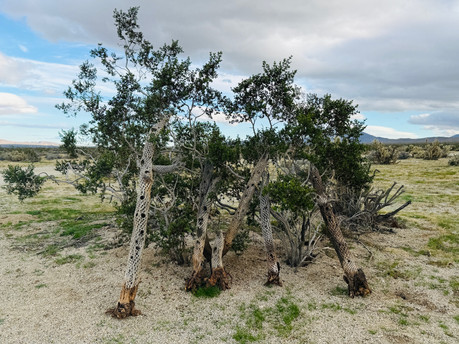





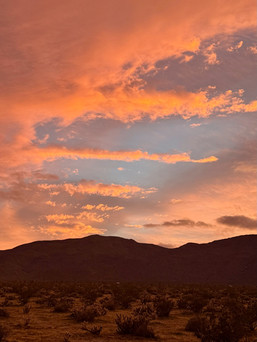


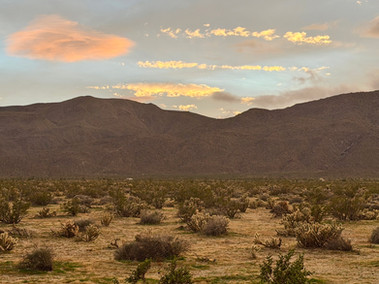



Boondocking at its finest


You two are amazing ~ may your travels continue to educate, excite, and inspire you and in turn ~ all of us who get to share in your journey through words and pictures. Thank You